
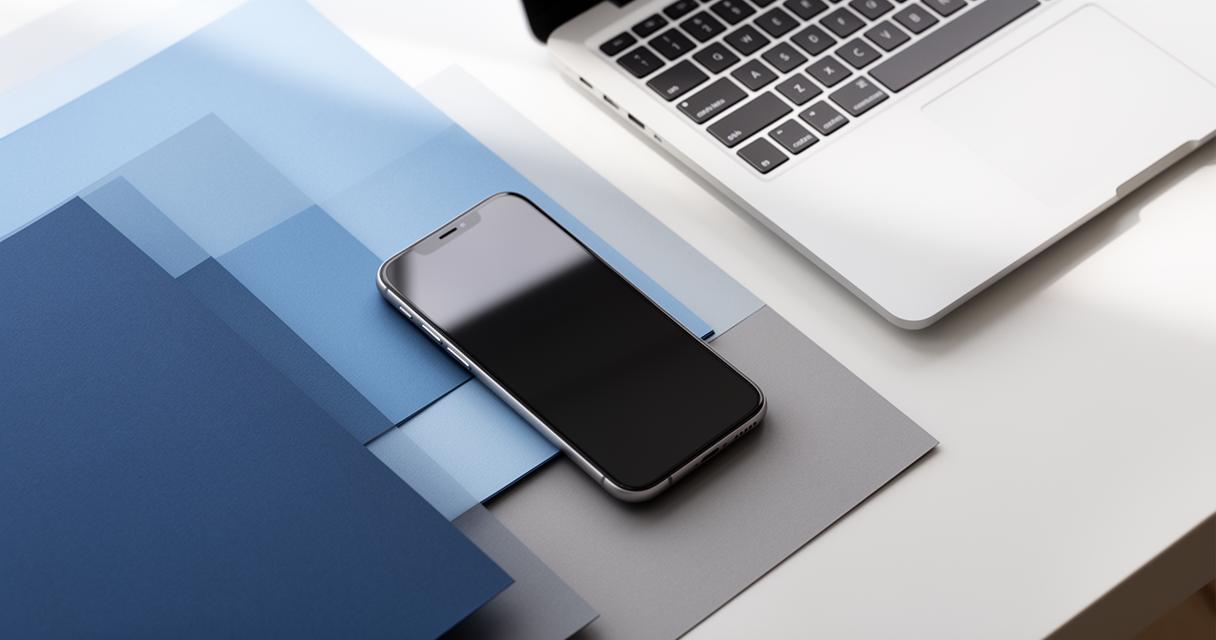
The digital landscape has undergone a remarkable transformation over the past decade, with design philosophies evolving to meet the demands of increasingly sophisticated users and diverse platforms. As businesses and marketers strive to create compelling digital experiences, the emergence of Material Design has marked a significant milestone in the journey towards more intuitive and visually cohesive interfaces. This design language, whilst building upon the foundations of its predecessor Flat Design, introduces a richer, more tactile approach that resonates deeply with contemporary expectations for web and mobile applications.
- Material Design evolved from Flat Design by adding depth, shadows, and animations to improve user interaction and visual hierarchy.
- Flat Design prioritizes minimalism and clarity, yet it often lacks the intuitive cues necessary for navigating complex digital interfaces.
- Material Design uses tactile elements and functional animations to provide users with clear feedback and a sense of consistency across different platforms.
- Businesses utilize Material Design to enhance brand perception, boost user engagement, and drive conversions through polished, responsive interfaces.
- The flexible grid system inherent in Material Design ensures a consistent user experience across various devices, from desktops to mobile phones.
- Low-code platforms facilitate the rapid development of Material Design-compliant applications, allowing organizations to reduce costs and time-to-market.
- Ongoing updates and integration with emerging technologies like AI and AR ensure that Material Design remains a relevant framework for future digital communication.
The Evolution from Flat Design to Material Design in Digital Interfaces
Understanding the Foundations of Flat Design Principles
Flat Design emerged as a response to the skeuomorphic approach that dominated early digital interfaces, where designers attempted to mimic real-world textures and materials on screens. By stripping away three-dimensional elements, gradients, and ornamental details, Flat Design championed simplicity and clarity. This minimalist philosophy allowed content to take centre stage, reducing visual clutter and enabling faster load times across various devices. The approach proved particularly effective during a period when mobile internet traffic began its ascent, eventually accounting for nearly forty-eight percent of global web traffic. However, whilst Flat Design successfully streamlined visual communication, it occasionally struggled to provide sufficient depth and hierarchy, leaving users without clear interaction cues or visual guidance.
How material design introduces depth and tactile realism
In June 2014, Google unveiled Material Design as a comprehensive visual design language intended to create consistency across platforms whilst addressing the limitations inherent in purely flat aesthetics. Rather than abandoning the principles of simplicity, Material Design enhanced them by incorporating subtle shadows, elevation, and purposeful animations. These elements work together to simulate the behaviour of physical materials, providing users with intuitive cues about how interface components function and respond to interaction. The introduction of depth through layering and shadow effects helps establish a clear visual hierarchy, guiding users through complex information architectures with greater ease. Animations serve not merely as decorative flourishes but as functional tools that communicate state changes and transitions, thereby enhancing the overall user experience. This thoughtful integration of realism within a minimalist framework ensures that applications remain accessible and engaging across diverse devices and contexts.
Enhancing User Experience Through Material Design in Business and Marketing Applications
Leveraging Graphic Elements and Animations for User Engagement
For businesses seeking to differentiate themselves in competitive digital markets, the strategic application of Material Design principles can significantly elevate user engagement and brand perception. Graphic elements such as colour palettes, typography, and iconography are carefully orchestrated to convey brand identity whilst maintaining usability. Animations play a crucial role in this equation, transforming static interactions into dynamic experiences that capture attention and encourage exploration. When users encounter smooth transitions and responsive feedback, they develop a sense of confidence and control, which directly influences their willingness to engage with content and complete desired actions. Marketing professionals have recognised that these design choices are not purely aesthetic decisions but strategic investments in customer satisfaction and conversion optimisation. By adopting Material Design standards, organisations can deliver applications that feel polished and professional, thereby reinforcing trust and credibility in an increasingly sceptical digital environment.
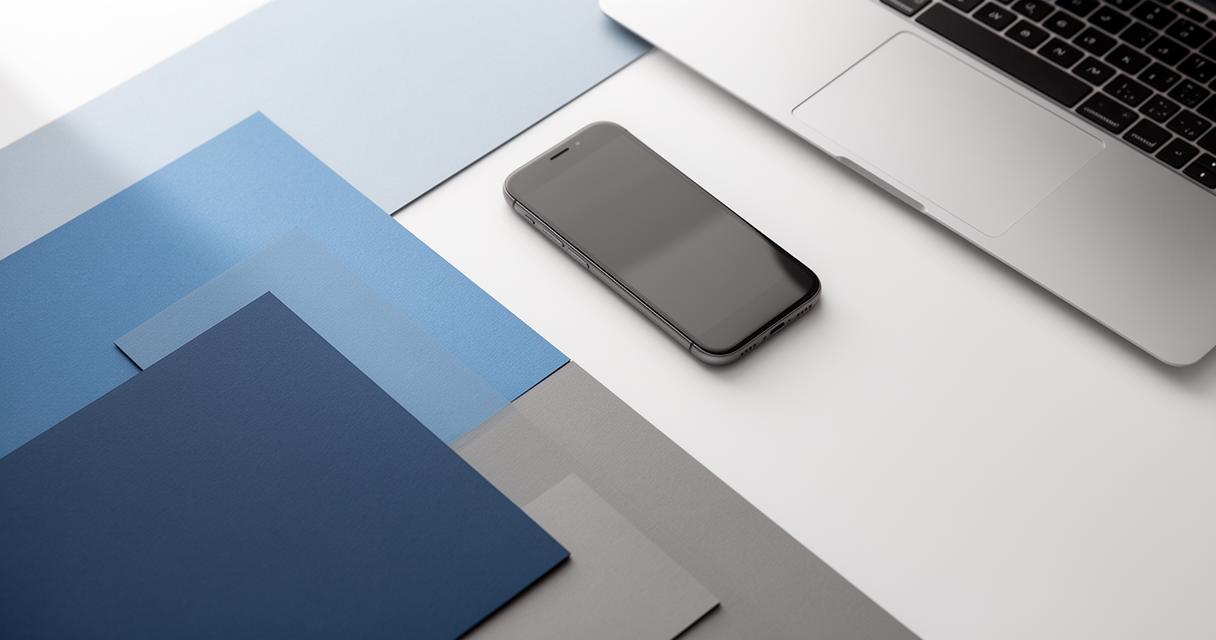
Responsive design strategies for cross-device accessibility
The proliferation of devices with varying screen sizes and capabilities has made responsive design an essential consideration for any digital initiative. Material Design inherently supports adaptability, offering a flexible grid system and scalable components that gracefully adjust to different contexts. This adaptability ensures that whether a user accesses an application on a desktop computer, tablet, or smartphone, the experience remains consistent and intuitive. For businesses, this translates into broader reach and reduced development costs, as a single design system can serve multiple platforms without sacrificing quality or functionality. Low-code platforms have further accelerated this process, enabling organisations to deliver business applications at speeds up to three times faster than traditional methods. By enforcing design standards and eliminating the need for specialised design expertise, these platforms empower developers to focus on core functionality whilst maintaining a high-quality user interface. The result is a reduction in time-to-market and an enhanced ability to respond to evolving customer needs and competitive pressures.
Adapting to Contemporary Trends: The Future of Material Design in Digital Communication
Continuous Innovation in Web and Mobile Application Design
The digital design landscape is characterised by constant evolution, with new technologies and user expectations driving continuous innovation. Material Design has demonstrated remarkable resilience and adaptability, with Google and the broader design community regularly updating guidelines to reflect emerging best practices and technological advancements. Integration with artificial intelligence, augmented reality, and the Internet of Things presents fresh opportunities for Material Design to extend its influence beyond traditional screens. As businesses pursue digital transformation initiatives and migrate infrastructure to cloud environments, the need for cohesive design systems that can scale across increasingly complex ecosystems becomes paramount. Training resources and professional development programmes have proliferated, ensuring that designers and developers remain equipped to leverage the full potential of Material Design principles. This commitment to education and ongoing refinement underscores the design language's role as a foundational element in modern digital strategy.
Embracing new visual standards for modern digital marketing
Marketing professionals must navigate an environment where visual consistency and brand recognition are critical differentiators. Material Design offers a robust framework for achieving these goals whilst maintaining the flexibility to express unique brand characteristics. By standardising user interface elements and interaction patterns, businesses can reduce cognitive load and create seamless experiences that span multiple touchpoints. This consistency extends beyond individual applications to encompass entire ecosystems, from web portals to mobile apps and beyond. System integration capabilities enable organisations to securely connect disparate data sources and applications, ensuring that users benefit from a unified experience regardless of the underlying complexity. As Material Design continues to evolve, its widespread adoption suggests that it has transcended the status of a fleeting trend to become an enduring standard in digital design. However, designers must remain mindful of potential limitations, including the risk of creative homogenisation and the technical considerations associated with animations and layered elements. Balancing these factors requires thoughtful application of Material Design principles, tailored to the specific needs and contexts of each project. The future of digital communication will undoubtedly be shaped by such adaptive, user-centred approaches that prioritise both aesthetic excellence and functional performance.