
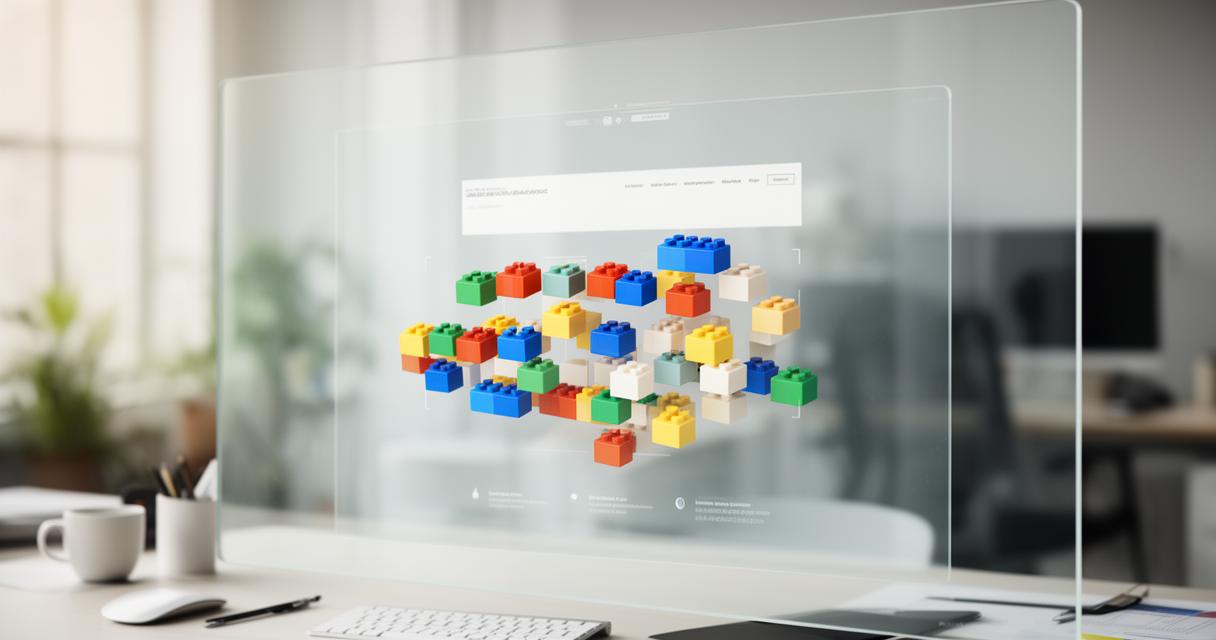
Imagine assembling a website the same way you'd click together bricks from a beloved childhood toy box, snapping pieces into place until something sturdy and adaptable takes shape. That's essentially the promise of a modular, component-based approach to web design, and it's quietly changing how small businesses think about their digital presence. Rather than building a rigid, one-size-fits-all site, companies are discovering that flexible building blocks can open doors to customers who might otherwise struggle to get through them.
Key points
- A modular, component-based web design approach allows businesses to build websites using reusable, independent blocks rather than rigid structures.
- Integrating accessibility into these reusable components ensures that inclusive features are baked in from the start, making compliance more efficient and cost-effective.
- Consistent and accessible design is critical, as 71% of users with disabilities abandon websites that are difficult to navigate.
- Modular architecture enables rapid updates and iteration, allowing businesses to refine user experience based on feedback without needing to rebuild the entire site.
- This scalable framework helps businesses adapt to evolving technologies and legal standards, protecting them from becoming outdated.
- Investing in accessible design fosters brand loyalty and market expansion, as it provides a better experience for all users while simultaneously improving search engine visibility.
The modular approach: transforming web design through component-based architecture
Understanding the Virtual Lego Philosophy in Modern Web Development
The idea behind treating web design like a set of virtual bricks is simple enough. Instead of coding a website as one enormous, tangled structure, developers create independent, reusable components that can be swapped, rearranged, and updated without tearing down the whole build. This modular mindset makes it far easier to bake web accessibility into a site from the very start, rather than bolting it on as an afterthought. For small businesses in particular, many of whom see accessibility as something complicated and expensive, this approach quietly dismantles that myth. A block designed to be accessible once can be reused across dozens of pages, meaning the effort pays for itself many times over.
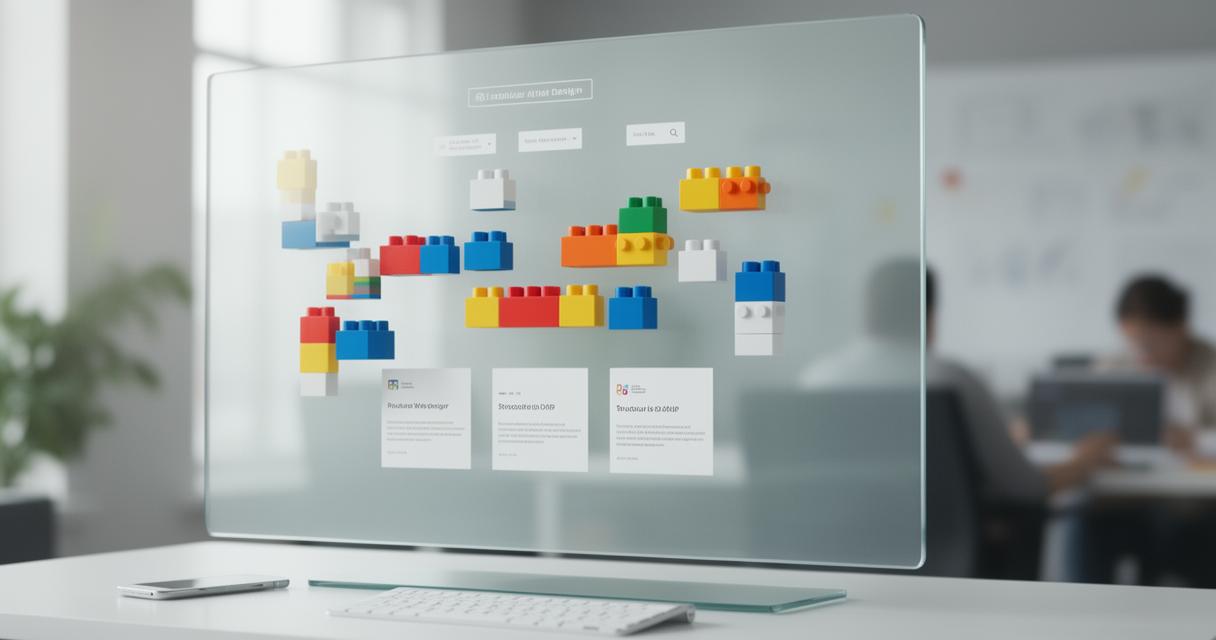
How modular components enhance user experience across different abilities
When each piece of a website is built with care, the benefits ripple outward to everyone who visits it. Buttons that are properly labelled, forms that are easy to navigate, and text that resizes sensibly all make a tangible difference for people with disabilities and for those browsing on slower connections or older devices. Poor design choices, on the other hand, can turn a simple task into a frustrating ordeal, and the numbers back this up starkly: a striking 71% of people with disabilities will simply abandon a website that's too difficult to use. With roughly 16.1 million people living with a disability in the UK alone, and more than a billion worldwide, that's an enormous slice of potential custom that businesses cannot afford to overlook.
Flexibility and Scalability: Adapting Your Digital Presence to Meet Diverse User Needs
Rapid Deployment and Iteration for Inclusive Design Solutions
One of the quiet joys of building with modular components is how quickly changes can be made. If a business notices that a particular block isn't serving users well, whether that's a navigation menu that's confusing for screen reader users or a colour contrast that's hard on the eyes, it can be refined and redeployed without disrupting the rest of the site. This agility supports a genuinely inclusive design process, one where feedback from real users, including those with visual, auditory, motor, or cognitive impairments, shapes the product on an ongoing basis. It also means smaller teams with tighter budgets can compete with larger organisations, since they're not rebuilding from scratch every time they want to improve user experience.
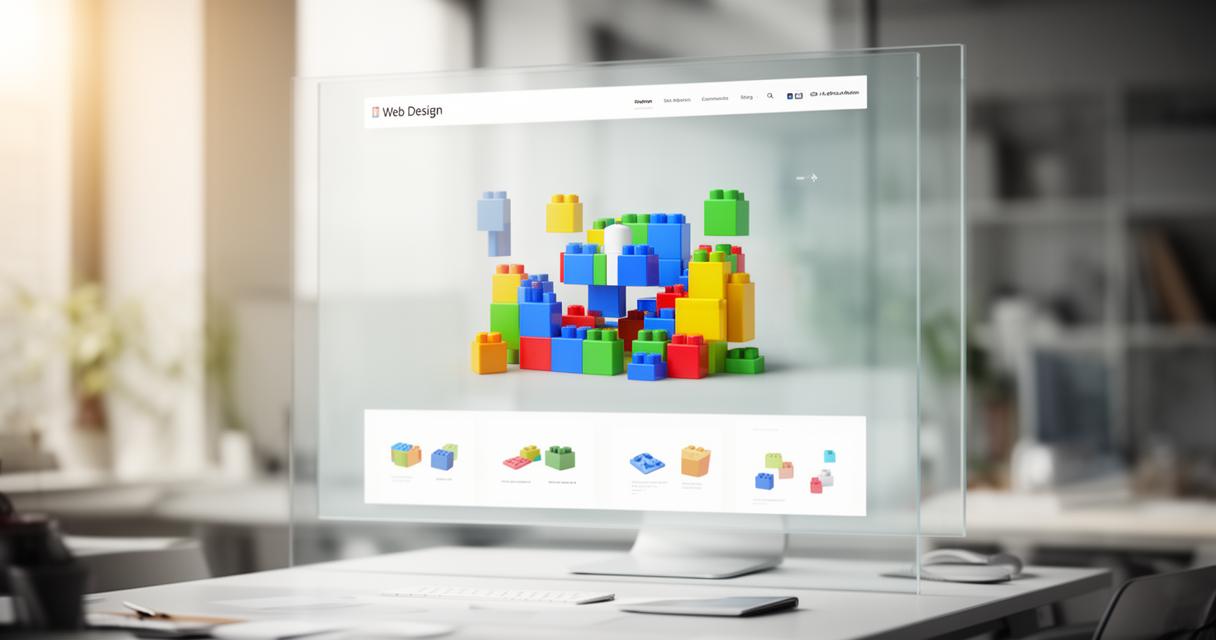
Future-proofing your website through accessible modular frameworks
There's also a practical, long-term argument for this approach. As standards evolve and technology shifts, a website built from adaptable pieces can be updated far more gracefully than a monolithic one. This kind of scalability protects businesses against becoming outdated and helps with legal compliance, reducing the risk of costly disputes down the line. Beyond the legal angle, there's a strong ethical case too: everyone deserves equal opportunities to browse, shop, and engage online, regardless of ability. Businesses that treat accessibility as a foundation rather than a patch tend to find themselves better prepared for whatever comes next, whether that's new regulations or shifting customer expectations.
Breaking down barriers: universal access through component-driven development
Implementing wcag standards within modular building blocks
Weaving recognised accessibility guidelines directly into reusable components means that compliance stops being a box-ticking exercise and becomes second nature. When each block is tested against established standards from the outset, businesses can trust that new pages built from those pieces will maintain consistent, reliable website usability. This consistency matters enormously for people relying on assistive technology, who benefit from predictable navigation and clear structure throughout a site rather than patchy improvements in isolated corners.
Real-world success stories of businesses embracing accessible modular design
The commercial upside of getting this right is hard to ignore. Companies that have invested in accessible, modular websites frequently report a wider customer base and a healthier bottom line, since removing barriers naturally opens the door to more visitors completing purchases or enquiries. There's a reputational dividend too, as businesses seen to genuinely care about inclusion tend to enjoy a stronger brand reputation and greater loyalty. Accessibility work often sparks broader innovation, encouraging teams to think creatively about diverse markets and previously underserved voices. It doesn't hurt that accessible features, such as proper heading structures and descriptive alt text, tend to improve search engine visibility, delivering welcome SEO benefits alongside everything else. Put together, better usability, stronger customer satisfaction, and improved retention feed directly into market expansion and a steady revenue increase, making a compelling case that accessibility isn't a cost centre at all, but a genuine engine for business growth. For any company weighing up where to focus limited time and resources, treating the website as a set of thoughtfully designed, endlessly reusable virtual bricks looks less like a novelty and more like common sense.